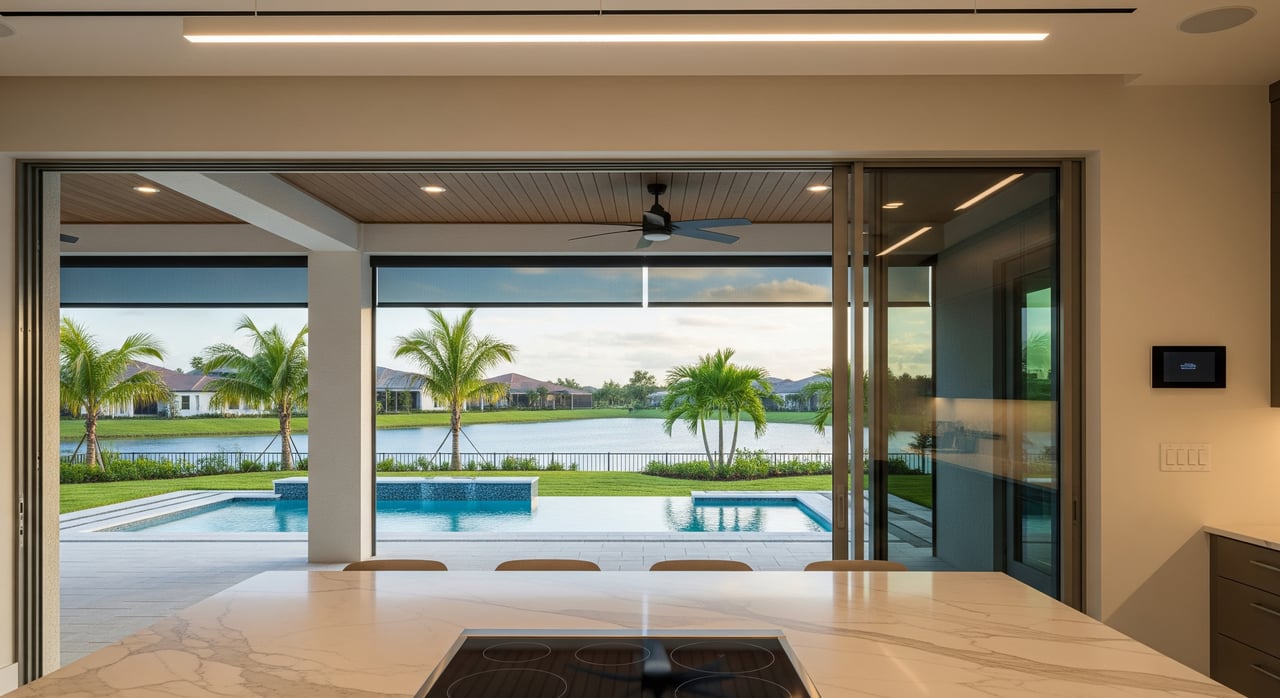
You get one trip through the design center to make choices that shape how you live and what you can sell for later. If you are building in Lakewood Ranch, it is easy to get swept up in finishes and forget the big-value options. You want upgrades that make daily life easier in Florida and still appeal to the next buyer. This guide shows you which builder options to prioritize now, what to save for after closing, and how to navigate HOA, financing, and warranty timelines. Let’s dive in.
Lakewood Ranch lens: what matters most
Lakewood Ranch is a master-planned community with multiple villages, amenities, and home styles. Buyers here value outdoor living, flexible layouts, and low-maintenance finishes that handle heat and humidity. That mix should guide your upgrade choices.
You also need to plan around community rules. Exterior changes like screened enclosures, pool cages, and visible solar arrays often require architectural review approval before installation. Florida building code and permitting impact structural, electrical, and storm-resilience upgrades. Your builder will meet code for the base home, but you should confirm that any options you add are compliant and properly permitted.
Finally, consider warranty timing. Many new builds use a 1-2-10 style warranty structure that covers workmanship, mechanical systems, and structural elements on different timelines. That matters when deciding what to install now versus later.
High-impact upgrades to choose now
Prioritize structural or embedded items that are expensive or disruptive to change later. Focus on features that the widest pool of future buyers will notice and value.
Kitchen and cabinetry
The kitchen is a primary focus for move-up buyers. Upgrading cabinet construction, adding full-height uppers, soft-close hardware, and functional pullouts pays off in daily use and resale appeal. Consider layout improvements such as a larger island or added pantry that are hard to rework later.
Countertops in main living areas
Quartz or other durable stone counters meet buyer expectations and stand up to Florida living. Replacing counters after closing is messy and often more expensive, so it is wise to select quality surfaces during construction.
Structural layout options
An extra bedroom, a larger primary suite, a flex or den, or a covered lanai can change how the home lives and how it appraises. Footprint and room count influence both comparables and future marketability, and they are difficult to change later.
Impact-rated windows and exterior doors
In Florida, impact protection reduces storm risk and may lower insurance premiums. Whole-home impact glass is costly to retrofit and can be most efficient when installed by the builder across all openings.
Main-floor durable flooring
Waterproof luxury vinyl plank or tile in main living areas delivers low maintenance and humidity resistance. Swapping out builder-grade flooring after move-in is disruptive, so choose durable surfaces now for the most used spaces.
Covered and extended outdoor living
Extended, screened lanais and prepped utility lines for an outdoor kitchen support the Florida lifestyle and future resale. These elements are usually integrated with the foundation and roof structure, which makes builder installation smoother and more cohesive.
HVAC efficiency and comfort
Upgrades such as a higher SEER system, zoned HVAC, or a whole-house dehumidifier improve comfort and can reduce energy costs in a hot, humid climate. Ductwork and capacity changes are far easier during construction.
Garage and storage enhancements
Extra depth, an additional bay, or built-in storage options make everyday life easier. Structural garage changes later often require major work, so address them with the builder when possible.
Smart mid-tier adds that are often worth it
These items are not as hard to add later, but doing them during construction can improve fit and finish or avoid drywall work.
Appliance packages
You can replace appliances after closing, but builder packages often integrate trim and built-ins that match cabinetry. If you want panel-ready or built-in pieces, it is easier to decide up front.
Secondary bath upgrades
Walk-in showers, tile to the ceiling, and dual vanities increase appeal without a major cost jump. Bathrooms can be redone later, but it is disruptive once you are living in the home.
Lighting and electrical planning
Extra recessed lighting, switched outlets, and EV-charger prewire are inexpensive during framing. Add the circuits and boxes now to avoid patching drywall later.
Smart-home and structured wiring
Many devices are wireless, but clean, centralized wiring and network cabling installed during construction create a more reliable setup. Tech-minded buyers appreciate neat hubs and consistent coverage.
Upgrades to save for after closing
If an item is cosmetic, subjective, or simple to swap, plan to tackle it after you move in. This saves on builder premiums and lets you personalize with real-world use in mind.
- Interior paint and accent walls
- Decorative light fixtures, faucets, and cabinet hardware
- Window treatments like blinds, shades, and drapery
- Closet organizers and non-structural built-ins
- Landscaping beyond the builder’s base package
- Highly personalized tile or bold finishes that may not appeal to a broad buyer pool
- Some appliance upgrades if the base set is acceptable; verify dimensions for future swaps
Deferring cosmetic work also keeps the builder’s warranty process clean. You can inspect surfaces during the warranty period without new finishes masking issues.
Pools and screened enclosures: build now or later
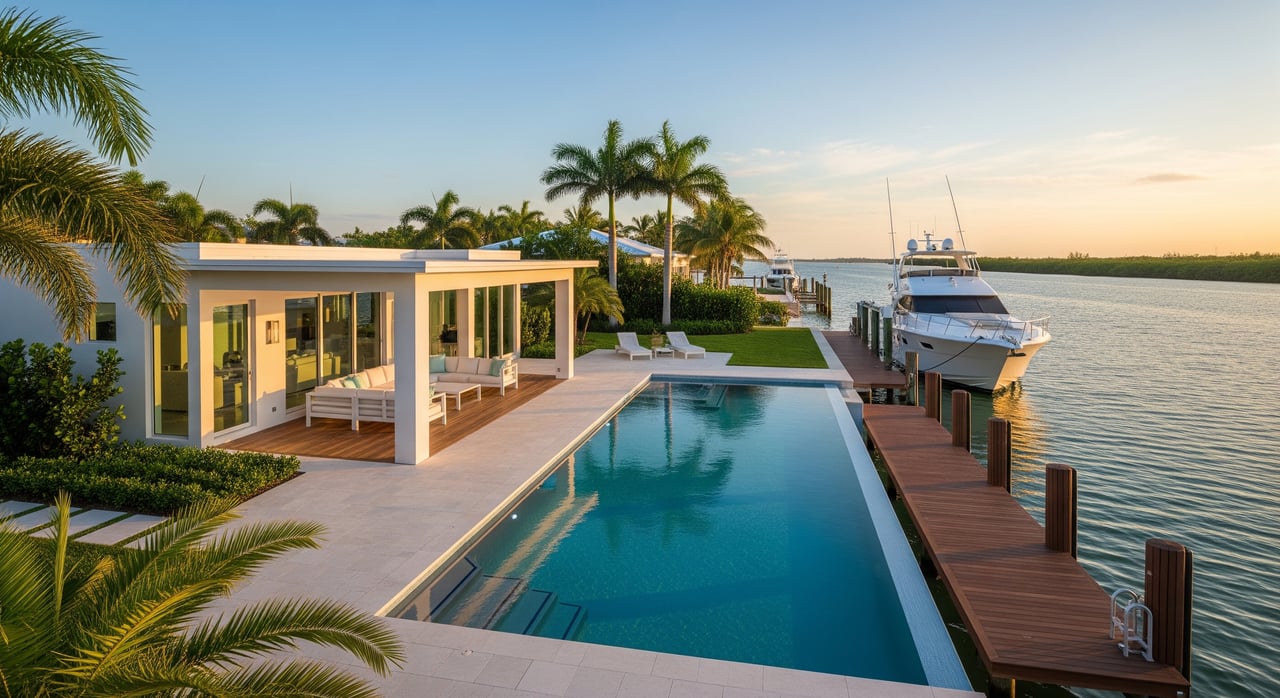
Pools are popular in Florida, but they are a major investment and not every buyer wants one. In villages where most comparable homes have pools, adding one with the builder can enhance market fit. In areas with a mix, waiting until after closing gives you time to confirm design, ownership costs, and how you will use the space.
Screen enclosures and pool cages are common in Lakewood Ranch and usually require community approval. Builder-installed enclosures are often coordinated with the home’s structure and can be more seamless than retrofits. If you plan to add these later, review HOA rules early to avoid surprises.
Process, financing, HOA, and appraisal tips
Make your selections early. Builders set firm cutoffs for options that affect framing, plumbing, and electrical. Missing a deadline often means you will do the work after closing.
Ask for as-built and spec sheets. Document the models, materials, and R-values for windows, HVAC, appliances, insulation, and structural options. Keep warranty terms and transfer details in writing.
Compare pricing. For large extras you might defer, such as a screened lanai or impact windows, get local contractor quotes to compare with builder pricing. Balance any savings against permit complexity, scheduling, and warranty implications.
Understand appraisal effects. Lenders appraise the home as built, and high-end options may not add dollar-for-dollar value. Rolling upgrades into the purchase price can affect loan-to-value ratios. If you are using FHA or VA financing, coordinate early with your lender because some structural changes may require extra steps.
Check HOA and permitting early. Get the architectural guidelines for your village and confirm which exterior items need approval. Verify setbacks, easements, and site limits for pools, lanai extensions, and outdoor kitchens. Ask whether the builder or the homeowner handles permits for each option.
Time post-closing work wisely. Use your final walk-through to document issues before closing. If you plan immediate upgrades after closing, leave enough warranty coverage for the builder to address any latent defects.
Quick buyer checklist
- Prioritize structural layout, kitchen, main-area flooring, impact windows and doors, HVAC efficiency, and covered outdoor living.
- Defer interior paint and most decorative finishes until after closing.
- Verify HOA rules for exterior upgrades and obtain approval in writing.
- Get builder spec sheets and warranty terms in writing. Confirm who handles permits for optional items.
- Compare builder upgrade costs with local contractor estimates for deferred work.
- Create a staged plan for post-move enhancements.
A simple post-move enhancement plan
- Month 1: Interior paint, basic blinds or shades, and quick swaps like cabinet hardware.
- Month 3: Landscaping adjustments after you observe sun, shade, and privacy patterns. Add lighting where you need it most.
- Month 6: Larger add-ons such as premium appliances, closet systems, or an outdoor kitchen if you prepped utilities during construction.
Work with a local advisor
Choosing the right upgrades is part design and part market strategy. A seasoned Lakewood Ranch advisor can help you align options with neighborhood comps, HOA expectations, and future resale. With nearly four decades of Sarasota-area experience, calm guidance, and construction insight, you can build a home that lives beautifully today and sells confidently tomorrow.
Ready to plan your upgrade strategy? Request a Private Consultation with Pamela Hagan to make smart, local decisions from the start.
FAQs
Which new-build upgrades in Lakewood Ranch boost resale most?
- Structural layout changes, well-appointed kitchens with quality cabinetry and quartz, whole-home impact windows and doors, durable main-area flooring, covered and extended lanais, and HVAC efficiency improvements are widely noticed by buyers and hard to add later.
Do impact windows really matter in Manatee County’s climate?
- Yes. Impact-rated windows and exterior doors reduce storm risk and may lower insurance premiums while avoiding the cost and disruption of a whole-home retrofit later.
Should I build a pool during construction or add it later?
- It depends on your village and comps. If most nearby homes have pools, including one during construction can support market fit. Otherwise, consider adding later after you confirm design preferences, ownership costs, and HOA approvals.
What upgrades can complicate appraisal or financing?
- High-end options sometimes do not appraise dollar-for-dollar when rolled into the purchase price, which can affect loan-to-value ratios. Coordinate early with your lender, especially for FHA or VA financing on structural changes.
How do HOA rules affect screened lanais and outdoor kitchens?
- Many exterior changes in Lakewood Ranch require architectural approval and proper permitting. Review your village guidelines early and confirm setbacks, easements, and whether the builder or homeowner manages permits.