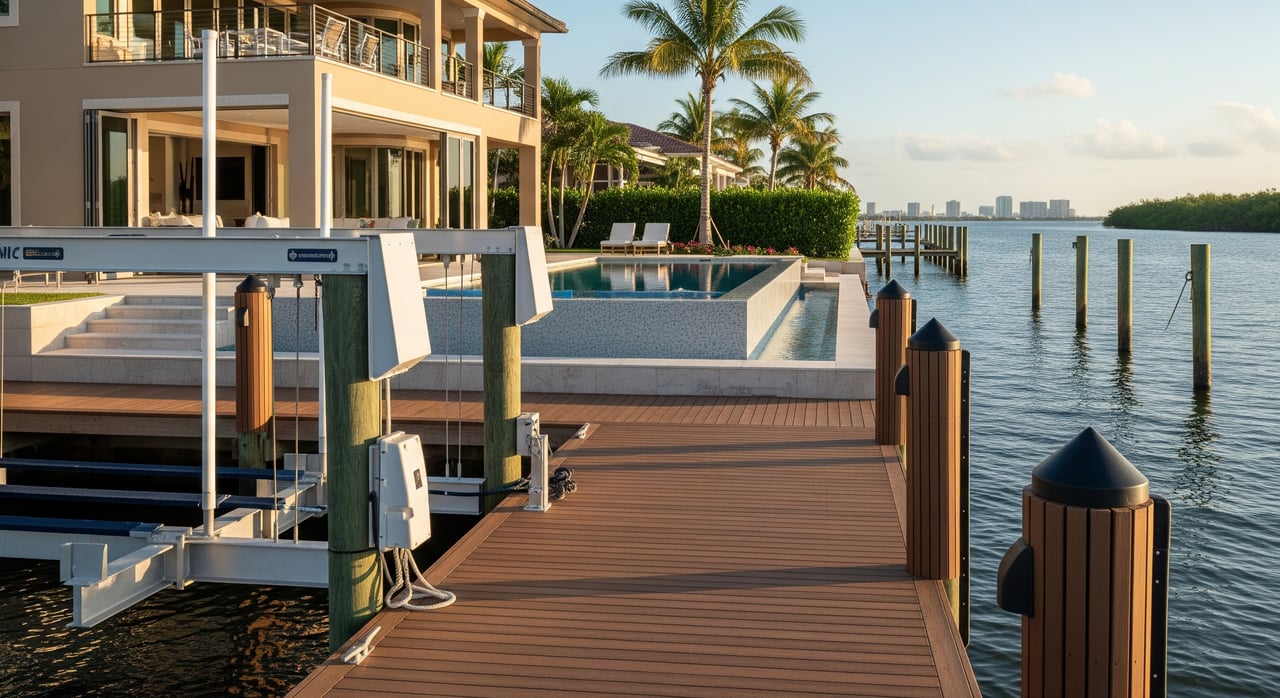
Shopping for a Bird Key waterfront home and want to be sure the dock, seawall and insurance all check out? You’re not alone. Waterfront due diligence is different, and getting it right up front protects your lifestyle and your investment. This step‑by‑step checklist walks you through the documents, inspections, permits and timelines that matter most on Bird Key so you can move forward with confidence. Let’s dive in.
Start with Bird Key basics
Bird Key sits between Sarasota Bay and the Gulf access channels, with most homes on or near the water. Properties typically fall under the City of Sarasota and Sarasota County rules, and some waterfront work also involves state and federal agencies. Begin by confirming who regulates what for your specific parcel.
- Check local rules with the City of Sarasota building and zoning and Sarasota County environmental permitting.
- For on‑water navigation and planning, review NOAA nautical charts for Sarasota Bay and the NOAA Sea Level Rise Viewer.
- For permitting below the mean high water line or for dredging, you may need approvals from the Florida Department of Environmental Protection and the US Army Corps of Engineers Jacksonville District.
Gather key documents before you offer
Request these items as early as possible. They set the tone for a smooth escrow and help you price risk accurately.
- Dock, boat lift and seawall permits, plus any final approvals and close‑out documents.
- As‑built drawings or site plans showing dock footprint, pilings and distances to boundaries and channels.
- A current boundary and mean high water line survey.
- Boat lift service records and dock maintenance invoices.
- Flood zone information and any elevation certificate.
- HOA or neighborhood governing documents, meeting minutes and budgets if applicable.
- Seller disclosures on prior storm damage, insurance claims and any unpermitted work.
Inspect seawall, dock and lift like a pro
Waterfront structures have finite lifespans. A careful look now prevents surprises later.
Seawall or bulkhead
Review the wall type and visible condition. Look for leaning or settlement, cracking or spalls, signs of undermining at the toe, or loss of backfill behind the wall. Ask about tiebacks, anchor corrosion and any past repairs.
Dock, pilings and framing
Check pilings for splitting, rot or marine borer damage, and concrete for spalling. Inspect hardware, pile caps and connectors for corrosion. Walk the decking to spot soft areas or lifted sections, and verify that railings feel secure.
Boat lift and electrical
Record the lift make, model and capacity and review recent service records. Examine the winch, cables and attachment points for corrosion. Have a licensed electrician verify shore power condition, GFCI protection and proper bonding with marine‑grade wiring.
Environmental features
Note any seagrass beds or submerged aquatic vegetation near the dock, which can affect permits. If mangroves are present, understand that trimming or removal typically requires authorization. Improper work can trigger fines or required restoration.
Verify permits and limits for future changes
Even if the current setup works, you may want to repair, rebuild or upgrade later. Confirm:
- Whether all existing structures were permitted and finaled. Unpermitted work can be costly to legalize.
- What qualifies as maintenance versus new construction, since rebuilds can trigger stricter standards.
- Limits on dock length, pile count and distance into the waterway set by local, state or federal rules.
- Whether dredging to deepen your slip has been permitted in the past. New dredging can be difficult or expensive.
Confirm boat access and navigation
Match the property to your vessel and boating style.
- Verify depth at mean low water for your intended boat using a recent survey or a marine professional.
- Map the route to open water and note any bridges or overhead obstructions.
- Check local slow‑speed and manatee protection zones through the Florida Fish and Wildlife Conservation Commission boating resources.
- Confirm whether nearby navigation channels are publicly maintained.
Model flood, wind and insurance early
Insurance availability and pricing can change quickly in Florida. Start this process before you commit.
Flood zone and elevation
Identify the FEMA flood zone and Base Flood Elevation using the FEMA Flood Map Service Center. If no elevation certificate exists, plan to obtain one, since many insurers need it to quote accurately. Cross‑check long‑term inundation scenarios with the NOAA Sea Level Rise Viewer.
Flood insurance options
Bird Key properties in AE or VE zones typically require flood insurance for mortgage financing. Compare NFIP policies and private market options. Review coverage differences, waiting periods and how elevation and floodproofing can change premiums. For consumer guidance, visit the National Flood Insurance Program guidance.
Windstorm and homeowners insurance
Expect hurricane or windstorm deductibles that are a percentage of dwelling coverage. Roof age and wind mitigation features influence premiums, and insurers may request wind mitigation and roof certifications. Ask about coverage or endorsements for docks and boat lifts, and confirm any hurricane evacuation‑zone exclusions.
Longer‑term maintenance planning
Discuss the seawall’s remaining life with a seawall specialist and request replacement cost ranges. Factor potential shoreline repairs and higher maintenance into your ownership budget.
Association, title and property rights
Bird Key homes may have deed restrictions or association guidelines that shape dock design and exterior work. Collect CC&Rs, bylaws, architectural rules, recent minutes and budgets. If there are shared waterfront structures, obtain the maintenance agreement and any reserve studies.
Order a current survey showing the mean high water line and any recorded easements or encroachments. Have your title company or attorney confirm riparian and littoral rights, plus any restrictions that could limit dock use or upgrades.
For permitting, coordinate with the City of Sarasota, Sarasota County, the Florida Department of Environmental Protection and the US Army Corps of Engineers Jacksonville District as needed.
Utilities and services to verify
Confirm whether the home is connected to municipal water and sewer and note any known service issues. Review site drainage and stormwater outfalls along the shoreline. Ask about trash, bulk waste and boat‑related storage rules that could affect daily use.
The right team for Bird Key purchases
- Licensed marine contractor or structural marine engineer for dock and piling evaluation, including underwater assessment if needed.
- Seawall specialist to review integrity, scour and remaining life.
- Licensed home inspector with waterfront experience and a licensed electrician for shore power.
- Boat lift technician for a written condition report and repair estimates.
- Licensed surveyor to confirm boundaries and the mean high water line.
- Insurance broker familiar with Florida coastal policies to pre‑screen insurability and pricing.
- Title company or real estate attorney to review deed restrictions, easements and riparian rights.
A contingency timeline that works
Build a realistic timeline into your contract so you can verify all critical items without rushing.
- Dock and seawall inspection contingency: 7 to 14 days for a marine engineer or seawall report.
- Survey contingency: 7 to 10 days if a new survey is needed.
- Insurance contingency: 7 to 10 days to obtain written quotes for homeowners, wind and flood coverage.
- Permit, association and title review: 7 to 14 days to obtain and review permits, HOA docs and title exceptions.
Include the right to renegotiate or terminate based on unpermitted work, major repair costs determined by licensed professionals, or an inability to secure insurance at acceptable rates and terms.
Red flags to pause or renegotiate
- Unpermitted dock or seawall with no clear path to legalization.
- Evidence of seawall failure or near‑term full replacement without funding or clarity on responsibility.
- Insurability issues, including excessive deductibles or required retrofits.
- Water too shallow for your vessel or a need for dredging that is unlikely to be permitted.
- Encroachments, easements or limited riparian access that conflict with your intended use.
- Dock or lift at end of life with limited replacement options due to regulations or channel depth.
Smart budgeting for waterfront upkeep
Plan for routine inspections, lift service, and minor dock and seawall repairs each year. Build an amortized reserve for eventual seawall and lift replacement. Ask the seller for a timeline of past work and contractor invoices to better forecast future costs.
Ready to look on Bird Key?
Buying waterfront on Bird Key should feel exciting and well managed. If you want a calm, expert process backed by deep local knowledge, reach out to Pamela Hagan to review your shortlist, line up the right inspections and craft a smart contingency strategy.
FAQs
How do I confirm a Bird Key dock or seawall was permitted?
- Request permits and final approvals from the seller, then verify with the City of Sarasota and Sarasota County permit offices.
Will my lender require flood insurance on Bird Key?
- If the home is in a FEMA AE or VE flood zone, most federally regulated loans require flood insurance; confirm the exact zone on FEMA’s map and ask your lender for requirements.
Can I extend or replace the dock after I buy?
- Possibly, but it depends on existing permits, riparian rights, setbacks, environmental protections and approvals from local, state and federal agencies.
How much does seawall replacement cost and who pays on shared walls?
- Costs vary by design and site conditions; review any shared‑seawall maintenance agreements and get estimates from a seawall specialist to budget correctly.
What should I ask insurers about coastal coverage?
- Ask about flood versus wind coverage, deductibles, the need for an elevation certificate, roof and wind‑mitigation requirements, and coverage or endorsements for docks and lifts.
Are there environmental restrictions near Bird Key docks?
- Yes. Seagrass, submerged vegetation, mangroves and dredging activities are regulated and often require permits or mitigation through state and local agencies.