If you are thinking about owning a Gulf-facing condo on Siesta Key, the view is only part of the story. A beautiful sunset can be the reason you fall in love with a unit, but the building itself, the balcony design, the condo association, and the island’s coastal conditions all shape how that ownership feels over time. If you want to buy wisely, it helps to look beyond the photos and understand what really matters. Let’s dive in.
Gulf-Facing Means More Than Gulf Views
Not every Gulf-facing condo on Siesta Key offers the same experience. Two units in the same building can feel very different based on floor height, corner position, stack, and the size or layout of the outdoor space.
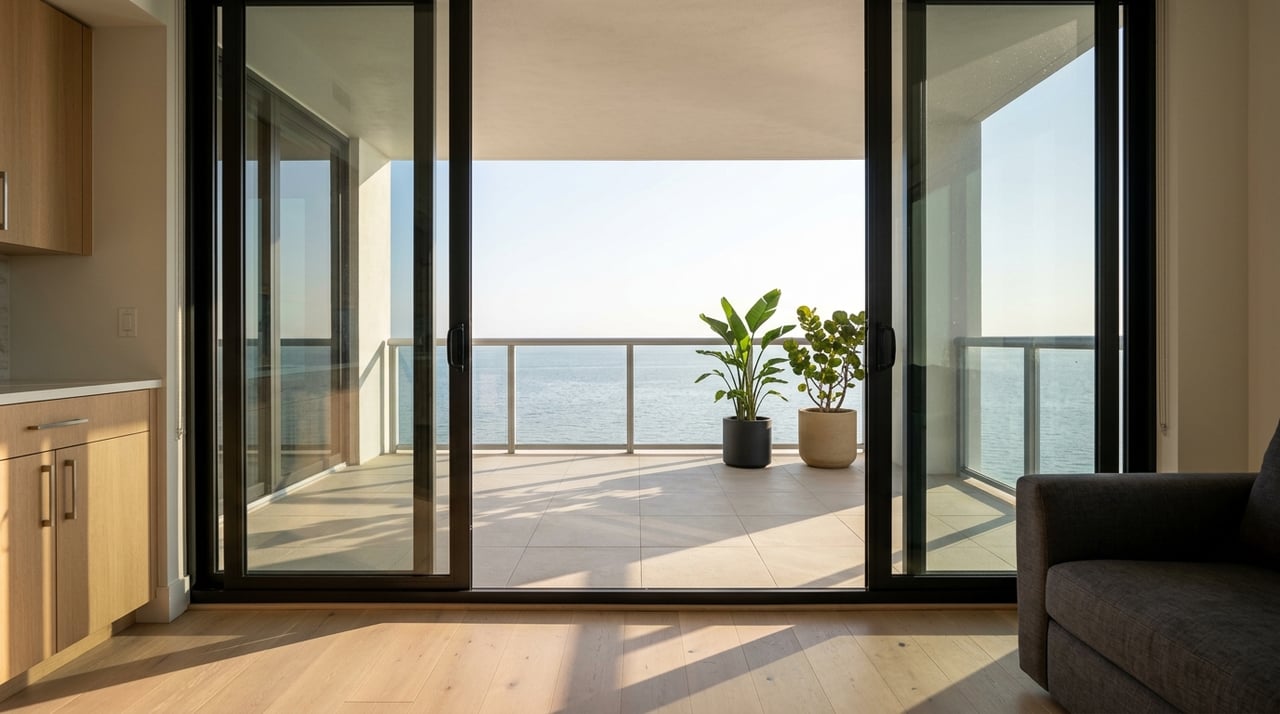
Current public listings show just how much variation exists. One top-floor northwest corner penthouse features a 28-foot balcony and panoramic Gulf views, while another direct beachfront condo includes a 31-foot screened-and-glass-enclosed balcony. A newer 2023 Gulf-front residence offers a 38-foot private terrace, which shows that “Gulf-facing” can describe both older mid-rise buildings and newer luxury product.
This matters because the premium is often tied to the exact unit, not just the address. A west-facing or northwest-facing condo may offer stronger sunset exposure and wider water views, but the tradeoffs with light, privacy, wind, and quiet can vary from one building and stack to the next.
Why Stack and Position Matter
When you compare Gulf-front condos, it helps to narrow your focus to the specific stack and not just the community name. Corner units may provide broader sightlines, while higher floors may open up more panoramic views.
At the same time, a lower floor or a different orientation may appeal to you if you want easier visual connection to the beach or a more sheltered balcony. The best fit depends on how you plan to use the property day to day.
Balconies Are Part of the Ownership Experience
On Siesta Key, a balcony is not just a lifestyle feature. It is also part of the building exterior, which means it plays into comfort, maintenance, and long-term ownership costs.
Salt air, strong sun, and wind-driven rain are part of coastal ownership. Florida’s condo reserve framework reflects that reality by including items like waterproofing, exterior painting, windows, exterior doors, roof systems, structural components, plumbing, electrical systems, and fire protection systems as key building elements to monitor and fund.
That is one reason balcony design deserves a close look. A screened balcony, a glass-enclosed balcony, and an open terrace can all deliver beautiful Gulf views, but they can feel very different in daily use.
Balcony Design Changes Daily Livability
A screened or glass-enclosed balcony may offer more protection from wind and weather. An open terrace may feel more expansive but also bring more direct exposure to salt air and sun.
If you plan to spend a lot of time outdoors, the depth, access points, and enclosure style can make a real difference. Some current Siesta Key listings highlight balconies that connect to the living room, kitchen, and primary suite, which can improve how naturally the outdoor space fits into your routine.
Association Financial Health Matters
For many buyers, the most important question is not just what the condo looks like today. It is whether the association is financially prepared to maintain a coastal building over time.
Florida now requires more visibility into this part of condo ownership. According to the Florida Department of Business and Professional Regulation, residential condo associations with buildings that are three habitable stories or higher must complete a Structural Integrity Reserve Study, known as a SIRS, at least every 10 years. Unit-owner-controlled associations existing on or before July 1, 2022 had to complete the study by December 31, 2025, and if a milestone inspection is due on or before December 31, 2026, the SIRS may be completed at the same time, but not later than December 31, 2026.
DBPR also states that if a budget was adopted on or after January 1, 2025, SIRS reserves may not be waived. That gives buyers a clearer view into building funding, but it also means some associations may need to increase reserves, levy assessments, or obtain financing if the study shows a gap.
Know the Difference Between SIRS and Milestone Inspections
These two items serve different purposes. DBPR explains that a milestone inspection is a structural inspection focused on load-bearing elements, while a SIRS is a visual and financial planning study for major building components.
For you as a buyer, both matter. One speaks to structural review, and the other helps you understand whether the association is planning and saving for major future costs.
Monthly Dues Can Vary Widely
Current public listings cited in the research show HOA dues of $1,298 per month, $1,440 per month, and $2,457 per month. These are only snapshots, but they show how meaningful monthly carrying costs can be in a Gulf-front Siesta Key condo.
That is why it is smart to evaluate dues in context. A lower monthly fee is not always better if reserves are thin or major projects are approaching.
Rules Shape How Usable the Condo Really Is
A Gulf-facing condo may look perfect on paper, but the association’s rules often determine how flexible the property really is. This is especially important if you plan to use the condo part time, lease it seasonally, or bring pets.
Florida condominium law gives associations broad authority to adopt reasonable rules about the use, maintenance, and appearance of units and common elements. That means one building may operate very differently from another, even if both sit on the same stretch of beach.
Rental Rules Are a Major Due Diligence Item
If rental income is part of your ownership plan, you need to read the condominium documents carefully. Florida law states that an amendment that prohibits renting, changes rental terms, or limits the number of rentals during a period applies only to owners who consent to the amendment and to buyers who take title after the amendment becomes effective.
In practical terms, that means a building’s rental culture may reflect both current rules and older grandfathered ownership rights. You should not assume that the current feel of a building tells the full legal story.
Public association policies on Siesta Key show how much variation exists. Posted rules for La Siesta include a 7-night minimum rental term, a minimum tenant age of 25, occupancy caps, and no pets. Siesta Breakers’ posted rental information shows one-week minimum rentals, no pets, and other use restrictions.
These examples are not universal, but they make an important point. Before you treat a condo as a rental property or second-home investment, you need to review the declaration, bylaws, house rules, and recent amendments.
Beachfront Does Not Mean Private Beach Ownership
Florida law protects pedestrian access to a public beach that is contiguous to condominium property, subject to public health, safety, or natural resource exceptions. For buyers, that means owning Gulf-front does not automatically mean exclusive control of the beach itself.
This is worth understanding upfront so your expectations match the legal reality of beachfront ownership on Siesta Key.
Coastal Risk Is Part of the Ownership Model
Siesta Key is a barrier island, and that comes with clear benefits and real responsibilities. The coastal setting is a major reason buyers are drawn here, but it also means shoreline change, storm planning, and beach management are part of ownership.
The Florida Department of Environmental Protection’s 2025 critically eroded beaches report identifies Siesta Key shoreline segments as critically eroded, including the south shoreline of Big Sarasota Pass, the north end of Siesta Key south of Sarasota Point, and the southern half of Siesta Key south of Point of Rocks.
For you, this means beach width, dune condition, and nearby restoration history are not just visual details. They are part of the long-term ownership picture.
Beach Conditions Can Change Over Time
Sarasota County’s recent South Siesta beach repair work shows that renourishment and beach-condition management are recurring parts of life on Siesta Key. The beachfront experience you see today may not remain exactly the same over the coming years.
That does not make Gulf-front ownership less attractive. It simply means the best buying decisions balance view quality with storm exposure, shoreline management, and the financial strength of the building.
Evacuation Planning Is Essential
Sarasota County advises that residents in low-lying areas and on barrier islands should seek shelter when conditions warrant. The county also notes that bridges and barrier islands may be closed to traffic when winds become dangerous and that if an evacuation order is issued, everyone in the identified zone must leave.
Before you buy, it is wise to know the property’s evacuation level and think through how you would handle storm preparation if you use the condo seasonally. This is a practical part of owning on a barrier island, not a side issue.
What to Review Before You Make an Offer
A Gulf-facing condo on Siesta Key can be a wonderful fit if you buy with a clear understanding of the unit and the building behind it. The details that matter most are often the ones that do not show up in listing photography.
Before you move forward, make time to verify:
- The exact stack and floor
- The balcony type, depth, and usability
- Whether exterior sliders or doors are original or replaced
- The current SIRS status
- The current milestone inspection status
- Reserve funding levels
- Any recent or pending special assessments
- Rental restrictions and pet rules
- The property’s flood and evacuation context
- Any history of major façade or waterproofing work
When you look at a Gulf-facing condo through both a lifestyle lens and a building-systems lens, you are far more likely to make a sound decision. On Siesta Key, that balanced approach can protect both your enjoyment and your long-term investment.
If you want experienced guidance as you compare waterfront condominium options on Siesta Key, Pamela Hagan can help you evaluate the details that truly matter.
FAQs
What does Gulf-facing condo mean on Siesta Key?
- A Gulf-facing condo on Siesta Key generally refers to a unit oriented toward the Gulf, but the actual experience can vary based on floor height, corner position, stack, and balcony design.
Why do condo reserves matter for Siesta Key Gulf-front buildings?
- Condo reserves matter because coastal buildings face ongoing exposure to salt air, sun, wind, and moisture, and Florida requires reserve planning for major components such as waterproofing, exterior painting, windows, doors, roofing, and structural systems.
What is the difference between a SIRS and a milestone inspection in Florida condos?
- A milestone inspection is a structural inspection of load-bearing elements, while a SIRS is a visual and financial planning study for major building components and reserve funding.
Are rental rules the same in every Siesta Key condo building?
- No, rental rules vary by association, and buyers should review the declaration, bylaws, house rules, and amendments to confirm minimum rental periods, occupancy limits, pet policies, and other restrictions.
Does owning a Gulf-front condo on Siesta Key include a private beach?
- Not necessarily, because Florida law protects pedestrian access to a public beach contiguous to condominium property, subject to limited exceptions.
What coastal risks should buyers consider for Siesta Key condos?
- Buyers should consider critically eroded shoreline areas, beach-condition changes, renourishment activity, storm preparation, evacuation requirements, and the association’s ability to maintain the building in a coastal environment.